
COLLECT: “ALMIGHTY EVER-LIVING GOD, BY WHOSE GIFT WE VENERATE IN ONE CELEBRATION THE MERITS OF ALL THE SAINTS, THROUGH THE PRAYERS OF SO MANY INTERCESSORS, AN ABUNDANCE OF THE RECONCILIATION WITH YOU FOR WHICH WE EARNESTLY LONG. THROUGH OUR LORD JESUS CHRIST, YOUR SON, WHO LIVES AND REIGNS WITH YOU IN THE UNITY OF THE HOLY SPIRIT, GOD, FOR EVER AND EVER. AMEN”.
Rev 7:2-4,9-14; Ps 23:1-6; 1Jn 3:1-3; Mt 5:1-12a.
“WHILE I AM STILL ALIVE, LET ME ENDEAVOUR TO ACHIEVE SANCTITY AND EVENTUALLY REACH THE GOAL OF MY EXISTENCE, AND BE COUNTERED ONE DAY AMONG OUR ANCESTORS OF FAITH-THE SAINTS”.
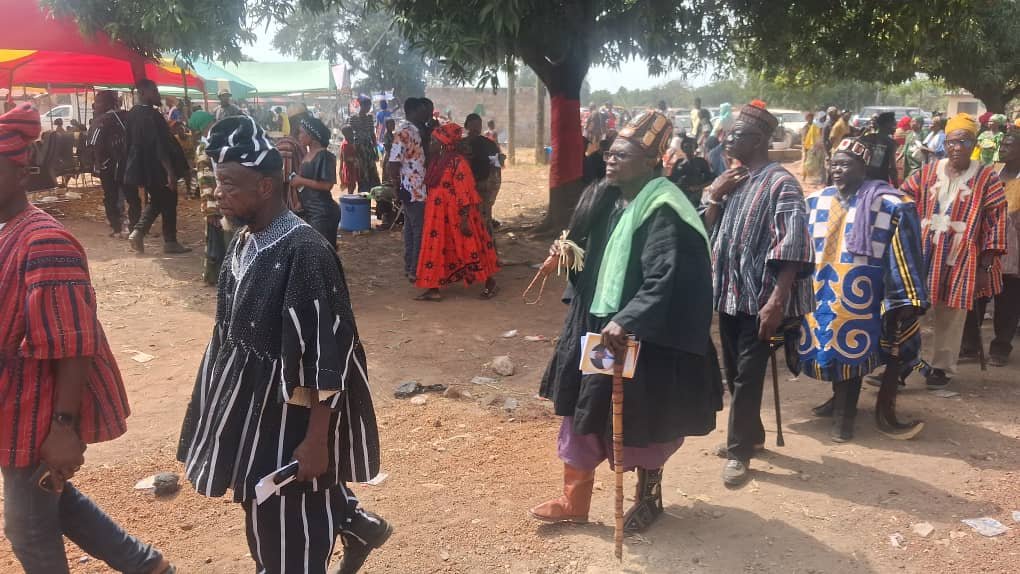
Among the Dagaaba, they have serious reverence for the ancestors. An ancestor is any person from whom one is descended. Ancestors are traditional leaders who led exemplary lives before they died. The finest among them are those whose actions and way of life significantly affected the community. Apart from venerating and remembering them during the celebrations of festivals where and when their good deeds are recounted, one remarkable way African Traditional people remember their ancestors is to establish cults for them, where, when a person to be considered an ancestor dies, a piece of wood is carved, or an object is formed (depending on the culture), and it is kept in the place designated to be the cult of the ancestors. They are commemorated, celebrated and venerated from time to time annually. The general idea or mentality is that the person who is dead is considered to still be alive, especially in the Land of the Living (Kpiimetenga), from where he continues to play his roles as he did while he was alive on earth. A living relative, especially the next family head, may deputise for the ancestor.
In religion, especially in Christianity, we have ancestors (of faith) just as the ancestors in African Traditional Religion, known as Saints. A saint generally refers to a holy person; holy in the sense that the person is extremely virtuous, kind, or patient. In religious terms, a saint is one who has died and has been officially recognised and honoured by the Christian Church because he/she followed Jesus and lived according to Jesus’ teachings, and his/her life was/and continues to be a perfect example of the way Christians should live. Saints are, so to speak, the counterparts of Ancestors in the African Traditional Religion.
The Book of the Apocalypse/Revelation has given us a summary of who a Christian Saint is: “…. ‘Who are these wearing white robes, and where did they come from?’....‘These are the ones who have survived the time of great distress; they have washed their robes and made them white in the Blood of the Lamb’” (Rev. 7:13-14). This is an exaggerated irony. How can robes be washed and be made white in blood? This is one of the characteristics of the Book of Revelation in particular, and in the whole Bible in general. Symbolism is a great characteristic of this Book. It is the same with the mention of the number 144,000 people who were so marked from every tribe of Israel. This number is the square of the number twelve (12), representing the 12 tribes of Israel. Some people have been misinterpreting this number to represent only those who would be saved, and therefore they use that to preach wrong doctrine to their followers. What about the next lines in the same chapter talking about the huge crowd from every nation, race, people, and tongue that John saw in his vision, who no one could count? Therefore, it will be a serious mistake and suicidal to take what we read here literally. Otherwise, by now some of us would have been walking either with one leg, one hand, one eye or without any at all because the same Bible tells us that if it is any part of my body that causes me to sin, I should eliminate that part to enter heaven. Avoid being a fanatic.
What we are celebrating today is an annual feast, always on November 1, by Christians, especially Catholics, Anglicans and Methodists. In this celebration, Christians always call to mind all those good men and women who have died and have attained the beatific vision or blessedness in heaven because of their good deeds on earth despite temptations, trials, tribulations and persecution. The fundamental belief behind the celebration of this Feast of All Saints is that there is a powerful spiritual bond between the souls in Purgatory (The Church Suffering), the souls in Heaven (The Church Triumphant), and those of us still living on earth (The Church Militant).
In the Book of Revelation, John, in his vision, saw what was going on in heaven. He saw angels with the seal of the living God carrying out activities at God’s orders and commands. Judgment was in process as people stood before the Judgment Throne of the Lamb. God’s servants who were dressed in long white robes, which they washed very white from the blood of the Lamb, and who were holding palm branches in their hands, were marked with the seal of God on their foreheads. These are the ones who indeed suffered because of their faith and yet did not give up or give in to the devil and temptation. Most of them died martyrs’ deaths. Will I be able to do that, to suffer and even die for my faith and belief? If I die today, will I be counted among those who have washed their robes in suffering, pain, persecution and disappointment (in the blood of the Lamb) like these Saints did?
If we want to be one day counted among the saints, we must first of all acknowledge that we are “Children” of God’s love and truth (Cf.1Jn 3:1-3), and therefore behave as such. *We also have to accept, live and practice the Beatitudes given to us by Jesus in Matthew 5:1-12. These ideals contain part of our terms of reference, programme or code of ethics for following Jesus and living as Christians. The first four beatitudes constitute an announcement of the Kingdom of Heaven and are an invitation, inviting us into heaven. The next four beatitudes state the right norms of conduct for admission to Christ’s Kingdom. The Beatitudes are more like a warning Jesus gave to his disciples against temptations in the world for accepting to follow him*. They were/and are a warning to the disciples of Jesus not to expect fame and fortune in this life, but mourning, hunger and persecution. Nevertheless, Jesus assured his disciples that they would be rewarded, perhaps not in this life, but in the life to come. This is the fair share of the saints we are celebrating today. Is it possible for me? These saints are the light of Christ, and Christ’s light shines through them.
Saints are made based on their good deeds and actions during their lifetime. We can also be counted one day among them if we diligently follow our terms of reference or code of ethics as Christians and always translate our faith in God into good deeds, actions and works (Cf. James 1). May our Patron Saints pray and intercede for us as we continue to fight sin, evil and temptation in this our militant earthly journey. Endeavour to be a saint in the making. Happy All Saints to everyone, especially those of us who do not have Patron Feast days in the Liturgical Calendar. Today is your day; celebrate it. Have a blessed day.
WE MEDITATE TODAY, SUNDAY, ON THE GLORIOUS MYSTERIES: ‘THE RESURRECTION, THE ASCENSION, THE DESCENT OF THE HOLY SPIRIT, THE ASSUMPTION, AND THE CORONATION ’. (WE PRAY FAITH, HOPE, LOVE OF GOD, GRACE OF A HAPPY DEATH AND TRUST IN MARY’S INTERCESSION) “Hail Mary, full of grace, the Lord is with you, blessed are you among women, and blessed is the fruit of your womb, Jesus: Holy Mary, Mother of God, pray for us, sinners, now and the hour of our death, Amen”.
PRAYER: “AS WE ADORE YOU, O GOD, WHO ALONE ARE HOLY AND WONDERFUL IN ALL YOUR SAINTS, WE IMPLORE YOUR GRACE, SO THAT, COMING TO PERFECT HOLINESS IN THE FULLNESS OF YOUR LOVE, WE MAY PASS FROM THIS PILGRIM TABLE TO THE BANQUET OF OUR HEAVENLY HOMELAND. THROUGH CHRIST OUR LORD. AMEN”.
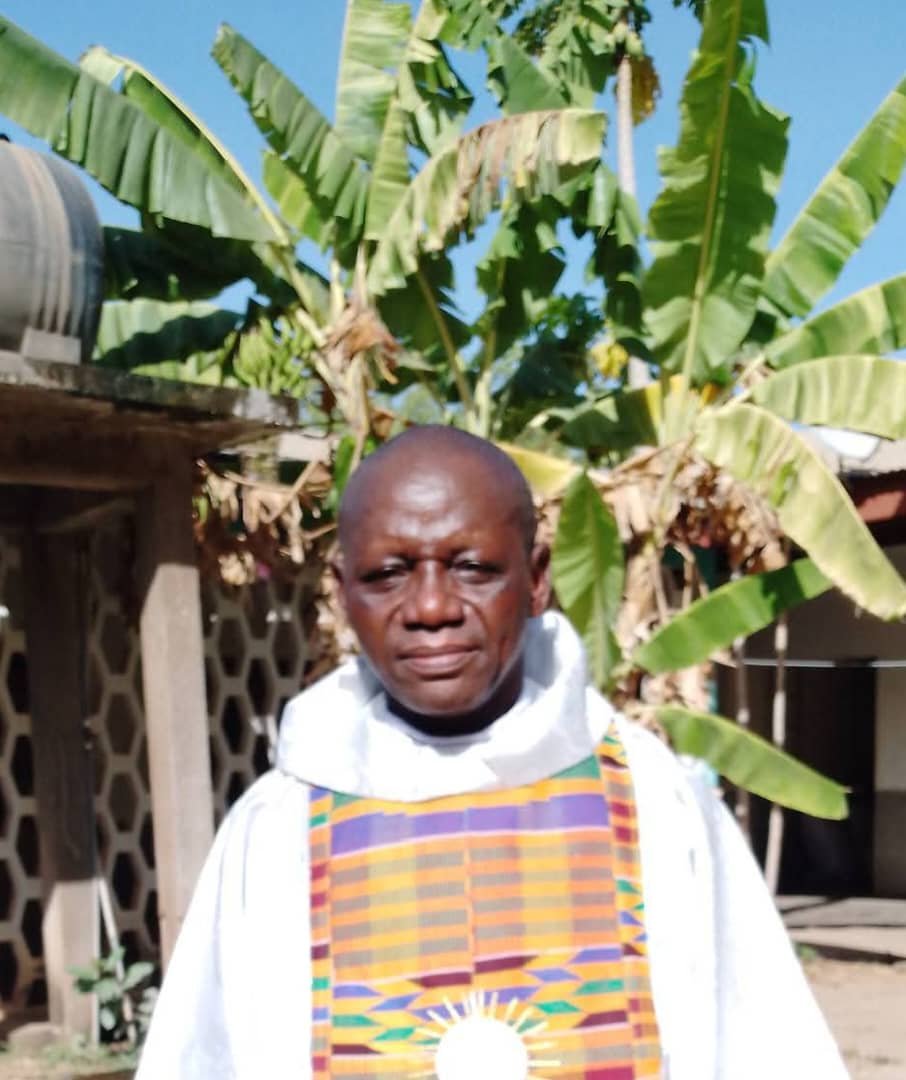
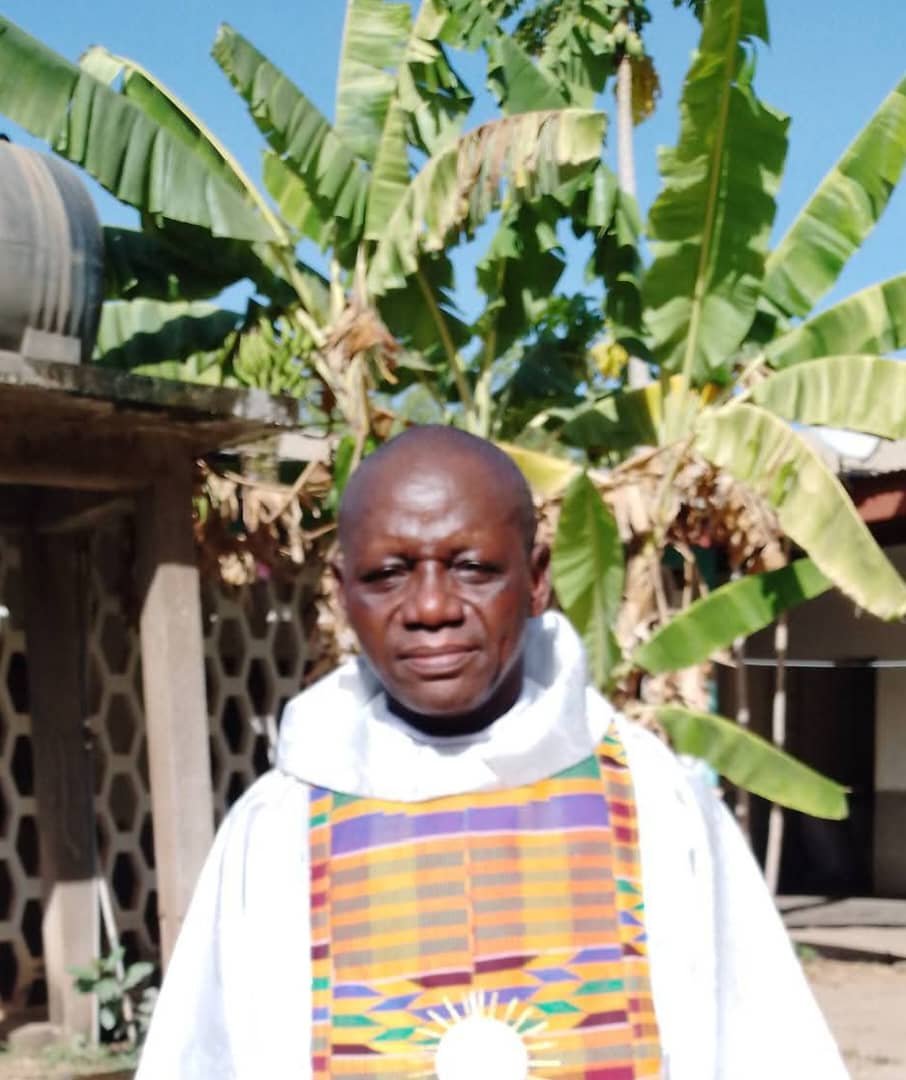
Rev. Fr. Aloysius Kpiebaya, Catholic Diocese of Wa, UW/R, Ghana. (00233) 0207867239/0545462863. Email: aloybaya20@yahoo.com.
No comments yet. Be the first to comment!