
Introduction
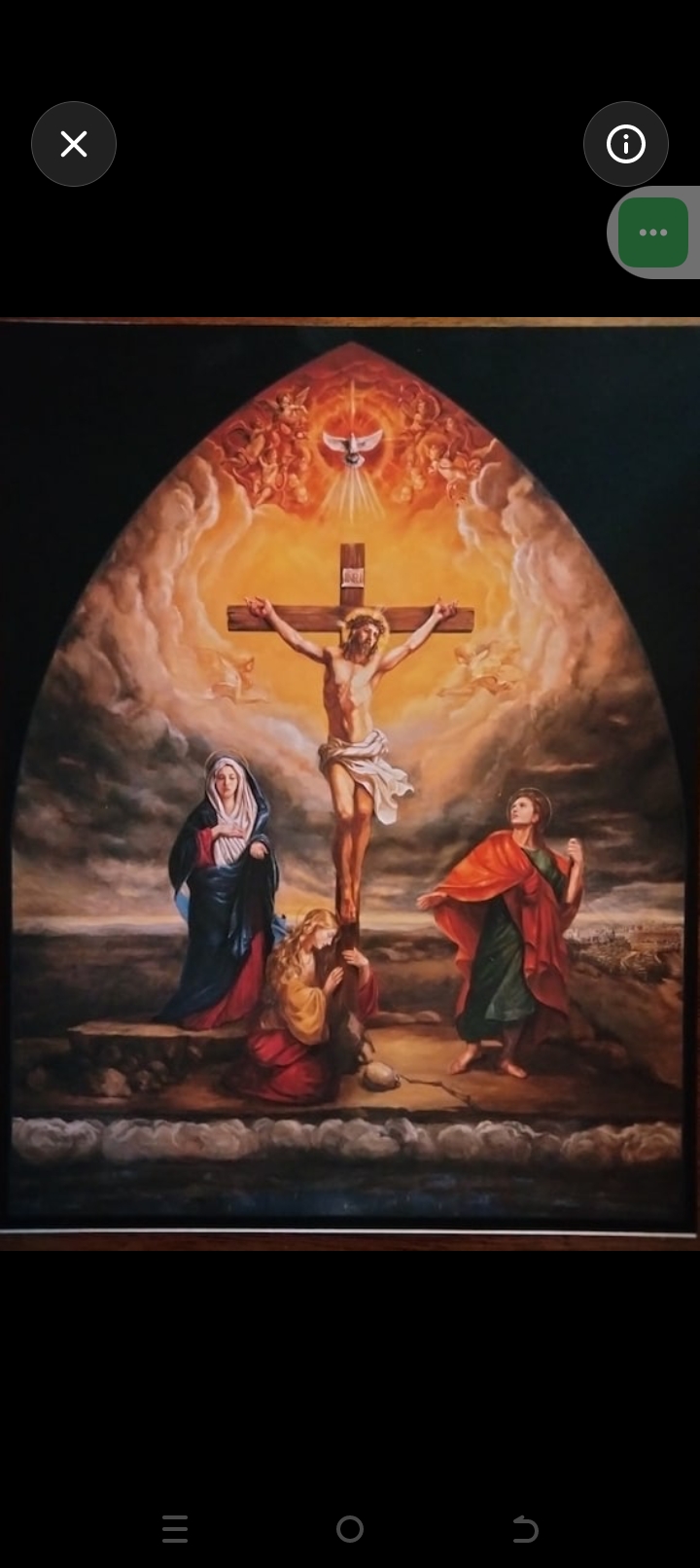
Good Friday stands as one of the most solemn and sacred days in the Catholic Church's liturgical calendar. It commemorates the Passion and Death of Jesus Christ, the moment when the Son of God freely offered Himself for the salvation of humanity. Catholic tradition treats this day with profound reverence, silence, and reflection, remembering the ultimate sacrifice that opened the way to redemption.
As the Catechism teaches:
“Jesus atoned for our faults and made satisfaction for our sins to the Father.”
— Catechism of the Catholic Church (CCC 615)
The Meaning of Good Friday
Good Friday is not a funeral for Jesus but a solemn remembrance of His self-giving love. Though marked by sadness, the day carries the seed of hope, for the Passion leads to the Resurrection.
Scripture captures this mystery succinctly:
“By His wounds we are healed.”
— Isaiah 53:5
The Church invites the faithful to contemplate Christ’s suffering, not with despair, but with gratitude for a love “to the end” (John 13:1).
The Good Friday Liturgy
The liturgy of Good Friday is unique and deeply symbolic. There is no Mass on this day; instead, the Church holds the Celebration of the Passion of the Lord, which consists of three key parts:
1. Liturgy of the Word
The proclamation of the Passion according to St. John (John 18–19) takes centre stage. This Gospel emphasises the kingship, dignity, and divine purpose of Christ even in suffering.
2. Veneration of the Cross
The faithful approach the cross in reverence, honouring the instrument by which Christ redeemed the world.
This moment echoes St. Paul’s words:
“We proclaim Christ crucified… the power of God and the wisdom of God.”
— 1 Corinthians 1:23–24
3. Holy Communion
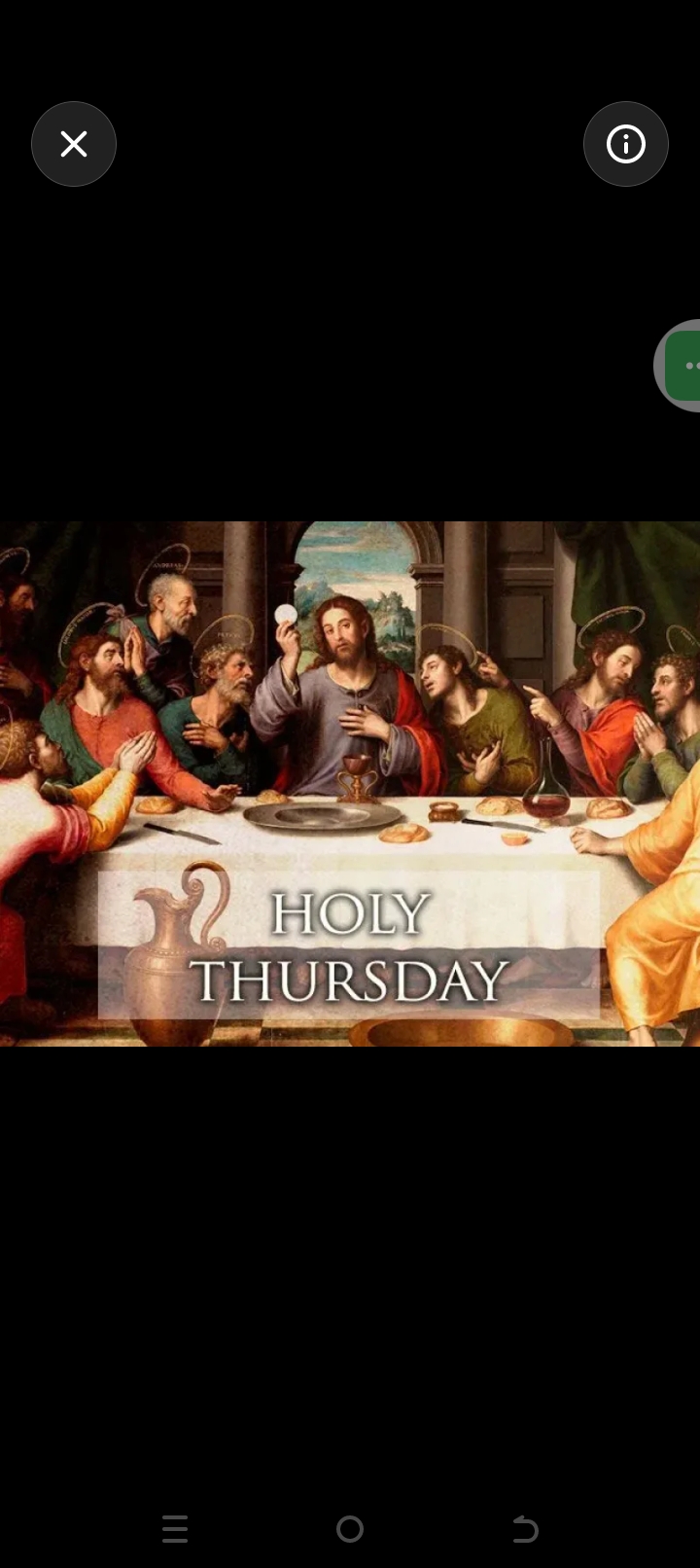
Communion is distributed using hosts consecrated on Holy Thursday. The Church fasts from celebrating Mass to symbolise Christ’s sacrifice.
Fasting and Abstinence
Good Friday is one of the two universal days of fast and abstinence in the Catholic Church (the other being Ash Wednesday). Catholics aged 18–59 are called to fast, while those 14 and above must abstain from meat.
This discipline unites believers with Christ’s self-denial and expresses solidarity with His suffering.
The Stations of the Cross
Many parishes also pray the Stations of the Cross, a devotional walk through the 14 moments of Christ’s journey to Calvary. This practice helps believers meditate deeply on the Passion.
As St. Alphonsus Liguori reflected:
“In the cross, there is salvation; in the cross, there is life.”
The Theology of the Cross
Good Friday reveals the depth of God’s love.
The Catechism affirms:
“The cross is the unique sacrifice of Christ, the ‘one mediator between God and men.’”
— CCC 618
Jesus’ death on the cross is not merely a historical event but a continual invitation to conversion, forgiveness, and sacrificial love.
Silence, Prayer, and Reflection
Good Friday is observed with striking simplicity. Bells are silent, altars are bare, and the atmosphere is contemplative. Catholics are encouraged to spend the day in:
personal prayer
meditation on Scripture
gratitude for Christ’s sacrifice
quiet anticipation of Easter joy
Conclusion
Good Friday calls Christians to stand at the foot of the cross like Mary and the beloved disciple, contemplating a love that holds nothing back. It is a day of profound sorrow, yet even deeper hope. Through the cross, Christ conquered sin and opened the gates of eternal life.
As Jesus Himself proclaimed on the cross:
“It is finished.”
— John 19:30
A declaration not of defeat, but of the completion of our redemption.



No comments yet. Be the first to comment!