
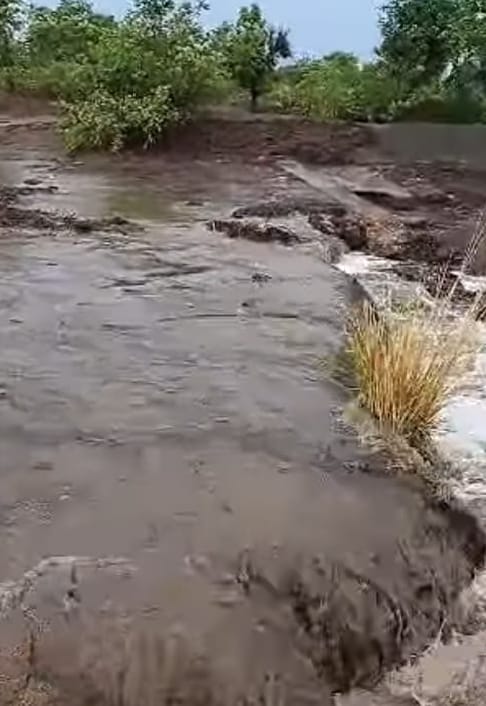
For decades, the people of Ghana, especially residents of Greater Accra, have endured the devastating consequences of annual flooding. Lives are lost, properties destroyed, and millions of cedis are spent on relief efforts. Yet, despite the recurring nature of these disasters, the nation continues to treat flooding as an act of nature rather than a predictable, preventable crisis largely driven by human irresponsibility.
Flooding does not occur in a vacuum. It is the direct result of choices—reckless, avoidable, and often deliberate choices—that continue to undermine the safety and development of our communities.
At the heart of the problem is the indiscriminate construction of buildings on waterways. Across our cities, individuals erect structures in clear violation of planning regulations, obstructing natural drainage paths that are essential for the free flow of rainwater. These waterways are not optional spaces for expansion; they are critical environmental systems. When they are blocked, the consequences are inevitable: water backs up, overflows, and invades homes and streets with destructive force.
This raises a troubling and unavoidable question: where are the institutions mandated to enforce building regulations? The process of acquiring building permits is not a mere formality, it is designed to ensure that developments adhere to safety and environmental standards. How, then, do individuals obtain permits to build on waterways? Or worse, how are such illegal structures allowed to stand unchecked? Whether through negligence, incompetence, or corruption, regulatory failure has become a central enabler of this national crisis.
Equally alarming is the persistent and deeply ingrained practice of dumping refuse into gutters. Across towns and cities, a dangerous culture has taken root—one where people deliberately push rubbish into drainage systems at the slightest sign of rainfall, hoping that floodwaters will carry it away. This is not only irresponsible, but also self-destructive. Gutters clogged with plastic waste, silt, and debris cannot perform their basic function. Instead of channelling water away, they become barriers that trap it, turning minor rainfall into major flooding events.
The irony is both painful and unacceptable: the same individuals who contribute to the problem often become the loudest voices demanding government assistance when disaster strikes. Year after year, scarce public funds, money that could be invested in schools, healthcare, other and infrastructure are diverted to provide relief to victims of a crisis that could have been prevented through responsible behaviour and effective enforcement of laws.
What is even more concerning is that this culture of indiscipline is no longer confined to Accra. Emerging urban centres such as Wa are beginning to witness similar patterns. Rapid development, coupled with weak enforcement of planning regulations, has led to the rise of unauthorised structures on waterways. At the same time, poor waste disposal practices are becoming increasingly common, with residents replicating the very behaviours that have made flooding a perennial crisis in the capital.
If immediate action is not taken, Wa and other growing towns risk becoming the next epicentres of preventable flood disasters.
We must also confront an uncomfortable truth: political interference is undermining enforcement efforts. In many cases, individuals who flout building regulations do so under the protection of political affiliations. This makes it difficult, if not impossible, for regulatory bodies to act decisively. When the rule of law is compromised for political convenience, the result is chaos, and ultimately, catastrophe. This must stop. Citizens must understand that disasters don't know political colours.
The fight against flooding requires more than rhetoric. It demands decisive, uncompromising action. Illegal structures on waterways must be identified and removed without fear or favour. Regulatory institutions must be empowered and compelled to enforce the law strictly. Waste management systems must be strengthened, and public education campaigns intensified to change harmful behaviours. Above all, citizens must understand that environmental responsibility is not optional; it is a civic duty.
Flooding in Ghana is not inevitable. It is engineered by human negligence, indiscipline, and systemic failure. And until we confront these realities with honesty and resolve, we will continue to pay the price in lives lost, homes destroyed, and opportunities wasted.
The time for excuses has passed. The time for action is now.
The Trial News






Rashid
Mar 30, 2026 3:17 pmAm very proud of you God bless you